Waste removal Junction Road flats access tips for movers
Posted on 12/10/2026

Moving out of a flat near Junction Road can feel like a juggling act: boxes by the door, a van idling outside, a stairwell that seems to shrink by the minute, and a pile of waste that somehow appeared from nowhere. If you are looking for waste removal Junction Road flats access tips for movers, you are probably trying to solve two problems at once: getting things out cleanly and doing it without upsetting neighbours, blocking shared access, or losing time on moving day.
The good news? With a bit of planning, flat access waste removal does not have to be stressful. In this guide, we will walk through what matters, how it works in practice, the mistakes movers make all the time, and the small access details that can save a lot of faff later. Truth be told, the difference between a smooth clearance and a miserable one is often just a few sensible checks done early.
Whether you are clearing old furniture, bagged rubbish, broken bits from a loft, or the odd bulky item that will not fit in a lift, this article is built to help you move with less hassle and better timing.
Table of Contents
- Why this matters for movers in Junction Road flats
- How flat access waste removal works
- Key benefits and practical advantages
- Who this is for and when it makes sense
- Step-by-step guidance
- Expert tips for better results
- Common mistakes to avoid
- Tools, resources and recommendations
- Law, compliance, standards, and best practice
- Options, methods, and comparison table
- Case study or real-world example
- Practical checklist
- Conclusion
- Frequently asked questions
Why Waste removal Junction Road flats access tips for movers Matters
Flat clearance is not just about "getting rid of stuff". In a busy London setting, access is often the real challenge. Narrow hallways, shared entrances, stair-only buildings, awkward parking, time-limited loading bays, and neighbours who quite reasonably do not want a sofa wedged in the corridor for half the morning - these are the things that make or break the job.
Junction Road and the surrounding North London streets can be tight, active, and a bit unforgiving if you arrive unprepared. A mover who has a clear access plan will usually finish faster, cause less disruption, and reduce the risk of scratched walls, damaged bannisters, or items being abandoned because they simply will not fit through the route. And let's face it, nobody wants to be carrying a mattress down four flights only to find the van cannot park anywhere near the entrance.
This matters even more if you are on a deadline. End-of-tenancy timings, handover appointments, estate agent visits, and same-day removals can all pile pressure on the day. When access is managed properly, waste removal becomes a practical step in the move rather than a last-minute panic.
There is also a relationship factor here. Shared flats, converted houses, mansion blocks, and purpose-built apartments all come with different expectations. Good access planning helps you stay considerate, which is surprisingly important when you share a building with people who may not be moving at all.
How Waste removal Junction Road flats access tips for movers Works
At its simplest, flat access waste removal is the process of assessing how waste will leave the property, then matching the removal method to the building layout. That includes the route inside the flat, the communal parts of the building, and the outside loading point.
The basic flow usually looks like this:
- Identify what needs removing and roughly how much there is.
- Check the access route from the flat to the street or vehicle.
- Decide whether waste can be carried out manually, needs bags or dismantling, or requires a larger team.
- Confirm parking, entry arrangements, and any building rules.
- Schedule the removal so it fits around your move and any access windows.
- Load the waste, clear up small debris, and leave communal areas tidy.
In practical terms, this is where most delays are either prevented or created. If the waste is heavy, bulky, or awkwardly shaped, it may need to be broken down first. A wardrobe that looks manageable in a room can become a complete nuisance on a staircase with a tight turn. You notice these things quickly in a flat. Usually after you have already started carrying it, which is less than ideal.
For movers, the best approach is to think like a route planner. What is the fastest path? What is the widest door? Where does the van stop? Can a lift be used safely? If the answer to any of those is "not sure", it is worth checking before moving day, not during it.
Key Benefits and Practical Advantages
Good access planning gives you more than convenience. It improves the whole move in ways that are easy to underestimate until you have done one the hard way.
- Less time wasted: If the route is clear and the parking is sorted, waste can be removed in one clean run instead of multiple awkward trips.
- Lower risk of damage: Planning around corners, stairs, and lifts helps protect walls, doors, and flooring.
- Fewer neighbour complaints: Shorter loading times and tidier communal areas mean less friction in the building.
- Better moving-day coordination: Waste removal can be timed to avoid clashing with the main removals team.
- More accurate quotes: A proper access description helps removers estimate time and labour more sensibly.
- Less stress at the end of the tenancy: You are not trying to clear old items while also waiting for keys, cleaners, or a landlord inspection.
There is a quieter benefit too: confidence. When you know the route, the timing, and the likely pinch points, the whole day feels more manageable. That sounds simple, but on a moving day simple is golden.
One small but useful point: access planning often saves money indirectly. Not always in a dramatic way, but enough to matter. Fewer delays, fewer extra hands needed, fewer repeat journeys. Those little things add up.
Who This Is For and When It Makes Sense
This guide is most useful for people moving from or within flats near Junction Road, especially where access is not straightforward. That includes renters, owners, landlords, letting agents, and anyone helping a family member move out of an apartment with shared entrances.
It makes particular sense if you are dealing with any of the following:
- A top-floor flat with no lift.
- A converted property with narrow internal stairs.
- A building with a shared hallway that needs to stay clear.
- Limited parking or a loading bay with a strict time window.
- Bulky waste such as beds, wardrobes, broken furniture, or old white goods.
- Short notice between vacating the flat and key handover.
- Builders' or refurbishment waste left after decorating or minor repairs.
It is also relevant if you are managing a move for someone else and need a reliable process. Families often end up doing the "bits and pieces" jobs - old chairs, bagged clutter, packaging, the random drawer of cables nobody can identify. If that sounds familiar, you are not alone. It happens in every move.
For landlords and agents, access planning helps present the property properly. Empty, tidy common areas make a better impression, and the final clean-up is easier when waste has already been removed in a structured way.
Step-by-Step Guidance
Here is a practical way to handle waste removal for flats near Junction Road without getting tangled up in the details.
1. Walk the route before moving day
Start at the flat door and follow the path all the way to the street. Check for tight corners, low ceilings, fire doors, narrow stairs, and anything you might catch a sofa leg on. If you can, do this with the items in mind - not just mentally. A quick physical walk-through helps you spot the awkward bits you would otherwise miss.
2. Measure the bulky items
You do not need engineering precision. Just get a rough sense of length, width, and height for the largest pieces. A wardrobe, mattress, desk, or fridge can be manageable, but only if the route allows it. If something may need dismantling, say so early. Nobody enjoys discovering that the item is two centimetres too wide after ten minutes of stair manoeuvres.
3. Check building access rules
Some flats have concierge arrangements, door codes, lift booking times, or restrictions on using communal areas. Ask whether waste removal needs to happen within a specific window, whether the lift can be padded or reserved, and whether building management expects notice. This is one of those boring steps that prevents loud, expensive problems later.
4. Sort waste into sensible groups
Separate general rubbish, reusable items, furniture, and anything special such as electricals or sharp materials. The more sorted it is, the easier it is to load safely. If a removal team arrives to find half the job still mixed in bags, the process slows down. And yes, the last bin bag is always the weirdest one.
5. Plan parking and loading
Think about where the vehicle can realistically stop. If the road is narrow or busy, you may need to allow extra time to load from a legal parking position. If there is no direct frontage space, the team may need to walk items further than expected. That alone can change the scale of the job.
6. Protect the route inside the building
Use furniture blankets, corner protection, or simple cardboard sheets if you are carrying heavy items through narrow spaces. Even careful movers can clip a wall or scuff paint on a bend. In a shared building, a tiny mark can become a bigger issue than the item itself.
7. Keep the main exit clear
Do not leave bags clustered at the front door or in the hallway while you finish sorting. It slows everyone down and creates trip hazards. A clear exit route makes the whole process feel calmer, and calmer is better when everyone is carrying something awkward.
8. Finish with a final sweep
Once the waste is removed, do a quick check of the flat, landing, and any shared areas you used. Look for screws, packaging strips, dust, or small bits of broken material. A broom, dustpan, and a few bin bags can make the final result feel properly finished rather than just "mostly done".
Expert Tips for Better Results
If you want the job to run smoothly, these are the details that make a real difference. Some seem small, but moving day is basically a collection of small details waiting to become large ones.
- Book waste removal before the final packing rush. If you leave it until the last evening, you will be boxing around bags of clutter and wondering why this always happens.
- Use one point of contact for access. If multiple people are answering the door or giving instructions, the job gets messy fast.
- Keep keys, fobs, and codes ready. It sounds obvious, but access delays often begin with somebody searching a pocket or a random kitchen drawer.
- Take photos of awkward items and access points. A picture of the staircase or lift can be more useful than a vague description.
- Allow for neighbours and peak times. Early morning may be quieter than late afternoon, though local building rules may decide this for you.
- Tell the removal team about fragile finishes. Gloss paint, glass doors, polished bannisters, and older plasterwork all need a bit more care.
A small human note: the jobs that look easiest on paper often need the most common sense. A flat with two awkward turns can be harder than a bigger place with a wide lift. Go figure.
If you are unsure whether a bulky item can come out safely, ask for it to be assessed rather than guessed. That one conversation can save a lot of shoulder strain and one or two muttered swear words in the stairwell.
Common Mistakes to Avoid
Most problems with waste removal in flats are predictable. Which is actually good news, because predictable problems are fixable.
- Assuming the lift will take everything: Lifts are useful, but they are not magic. Weight limits, dimensions, and building rules still matter.
- Not checking parking early enough: A van cannot load efficiently if it is circling the block looking for a legal stop.
- Leaving sorting until the last minute: Mixed waste slows the job and makes loading less safe.
- Forgetting about communal spaces: Hallways, stairwells, and landings are shared areas. Leaving them cluttered creates avoidable tension.
- Trying to move oversized items without help: One person and a mattress on a tight staircase is rarely a good idea.
- Ignoring the weather: Rain on a narrow pavement with cardboard, bags, and a loading run? Not ideal, to say the least.
Another classic mistake is underestimating the time needed to dismantle furniture. It always feels like a quick job until the right screwdriver is missing. Then suddenly the clock is judging you.
And finally, do not forget the end of the process. It is easy to focus on removing the waste and forget the little finish-up tasks that make the flat ready for inspection or handover.
Tools, Resources and Recommendations
You do not need a van full of specialist kit to manage flat waste removal well, but a few practical items help a lot.
- Heavy-duty bin bags: Useful for general waste, soft furnishings, and packaging.
- Work gloves: Helpful for protecting hands when handling rough edges or dusty items.
- Furniture straps or lifting aids: Especially useful for awkward items and stair movement.
- Blankets or moving pads: Good for protecting communal walls, floors, and door frames.
- Basic hand tools: Screwdrivers, Allen keys, and a small hammer can help with dismantling furniture.
- Labels or marker pens: Handy if you are separating keep, donate, recycle, and remove piles.
- Bin and sweep kit: A quick clean-up makes a real difference at the end.
If you are comparing services, look closely at how they handle access rather than just how they describe the waste type. A company that can manage tight staircases, loading restrictions, and mixed items is usually more helpful than one that only talks in broad terms. You can also review a company's wider approach on pages like the services overview or learn more about local waste removal support if you want a clearer picture of what is typically covered.
For moving-related clear-outs, it can also help to compare service types. For example, rubbish clearance, furniture disposal, and house clearance each suit slightly different situations, depending on the volume and type of waste.
If you want a broader look at the company background and approach, the about us page is often a sensible starting point. It is the sort of thing people skip until they need reassurance, then they go back and read it properly. Happens all the time.
Law, Compliance, Standards, and Best Practice
Waste removal in the UK is not just a matter of lifting bags into a van and hoping for the best. Even for straightforward flat clearances, there are sensible legal and practical standards to keep in mind.
First, waste should be handled responsibly. In plain English, that means it should go to appropriate disposal or recycling routes, not be dumped somewhere unsuitable or left in a communal area. If a company is removing waste on your behalf, you should feel comfortable asking where it is being taken and how different materials are separated.
Second, safety matters. Manual handling, sharp edges, heavy loads, and narrow stairs all create risk. Good practice is to reduce those risks by planning the route, using enough people, and dismantling items where needed. If something feels too heavy or too awkward, that is not you being fussy - it is a sensible warning sign.
Third, access in shared buildings should respect the property rules and other residents. That usually means keeping exits clear, avoiding damage, and not blocking emergency routes. In many buildings, a bit of courtesy goes a long way. It sounds soft, but it is very real.
For customers who care about what happens after collection, it is worth looking at broader company standards too. Information about recycling and sustainability can help you understand how materials may be handled, while insurance and safety offers another layer of reassurance. If you want to understand booking, payment, or general terms before arranging anything, see pricing and quotes and terms and conditions.
Best practice, in short: plan access, protect the building, sort the waste, and keep the job tidy. Nothing fancy. Just done properly.
Options, Methods, and Comparison Table
Different flats call for different waste removal methods. The best choice depends on access, volume, timing, and how much you want to do yourself.
| Method | Best for | Access needs | Pros | Watch-outs |
|---|---|---|---|---|
| Bagging and carry-out | General rubbish, lightweight items, packing waste | Simple route, clear stairwell, easy vehicle access | Quick, straightforward, flexible | Not ideal for bulky or heavy waste |
| Dismantled furniture removal | Bed frames, wardrobes, shelving, desks | Needs tools and a sensible workspace | Easier through narrow hallways and doors | Requires time and care to avoid damage |
| Lift-assisted removal | Buildings with suitable lifts and manageable item sizes | Lift size, booking, and building permission | Saves stairs and reduces lifting strain | Weight limits and awkward angles still matter |
| Team-based clearance | Heavier loads, multiple rooms, top-floor flats | Better for tight routes and larger volumes | Faster and safer for tricky access | May cost more, but often saves time |
| Skip hire | Longer projects or larger volumes where there is space | Needs space for placement and loading | Useful for gradual clear-outs | Can be awkward near flats with limited frontage |
For most movers in flats, a direct removal service is more practical than trying to manage waste over several days. That said, if you are clearing after decorating or a bigger project, something like builders waste clearance may be the better fit. If the job is a bit more mixed - part rubbish, part furniture, part general household clutter - a more flexible service like junk removal can be a neat middle ground.

Case Study or Real-World Example
Picture a common end-of-tenancy scenario near Junction Road. A tenant is leaving a two-bedroom flat on an upper floor. They have a broken chest of drawers, two disassembled shelves, several black bags of mixed waste, and an old armchair that never quite fit the room properly. The building has a narrow stairwell, a shared entrance, and no easy roadside parking directly outside.
At first glance, it looks manageable. After all, it is "just a few items". But once the move starts, little issues stack up. The armchair is wider than expected at the bend in the stairs. The bags are stored by the front door and temporarily block the corridor. The van has to wait because the loading space is not quite available. It is a classic chain reaction.
Now compare that with a more organised approach. The tenant checks the stair width beforehand, dismantles the shelves the day before, separates the rubbish into bags, and tells the removal team exactly where parking is likely to be possible. The armchair is removed first while the route is clear, the bags follow after, and the final sweep takes only a few minutes. Same flat. Same waste. Very different day.
That is really the heart of it. Good access tips do not just reduce effort; they change the mood of the whole move. You feel ahead of it rather than behind it.
Practical Checklist
Use this checklist before the removal team arrives or before you start carrying items yourself.
- Walk the full route from flat to vehicle.
- Measure the largest items and note anything that may need dismantling.
- Check building access, lift use, and any booking rules.
- Confirm parking or loading arrangements near Junction Road.
- Sort waste into bags, furniture, electricals, and any special items.
- Keep corridors and exits clear.
- Protect walls, corners, and floors where needed.
- Set aside keys, fobs, codes, and contact details.
- Tell the team about stairs, tight turns, or fragile surfaces.
- Do a final sweep of the flat and communal areas.
Expert summary: The easiest waste removal jobs are rarely the biggest ones - they are the best prepared ones. If you know the route, sort the waste early, and respect the building's access limits, you will usually save time, reduce stress, and avoid those annoying little snags that turn a move into a slog.
Conclusion
Waste removal for Junction Road flats is really about access first, removal second. Once you understand the route, the building rules, the parking reality, and the size of the items, everything gets easier. Not effortless, perhaps, but definitely easier.
That is why the best movers do not just think about what needs to go; they think about how it will leave the building without creating chaos. If you keep the path clear, communicate early, and choose the right method for the space, you will be in good shape. And yes, a bit of patience helps. Moving always asks for some patience.
Get a free quote today and see how much you can save.
For a move that feels calmer from the first box to the final bag, take your time with access planning. It is one of those small efforts that pays you back in a very satisfying way.


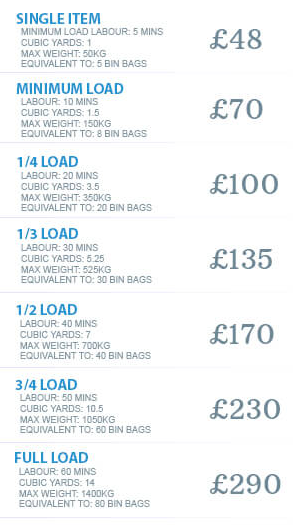
 Tipper Van - Rubbish Removal and Waste Disposal Prices in Tufnell Park, N7
 Luton Van - Rubbish Removal and Waste Disposal Prices in Tufnell Park, N7